
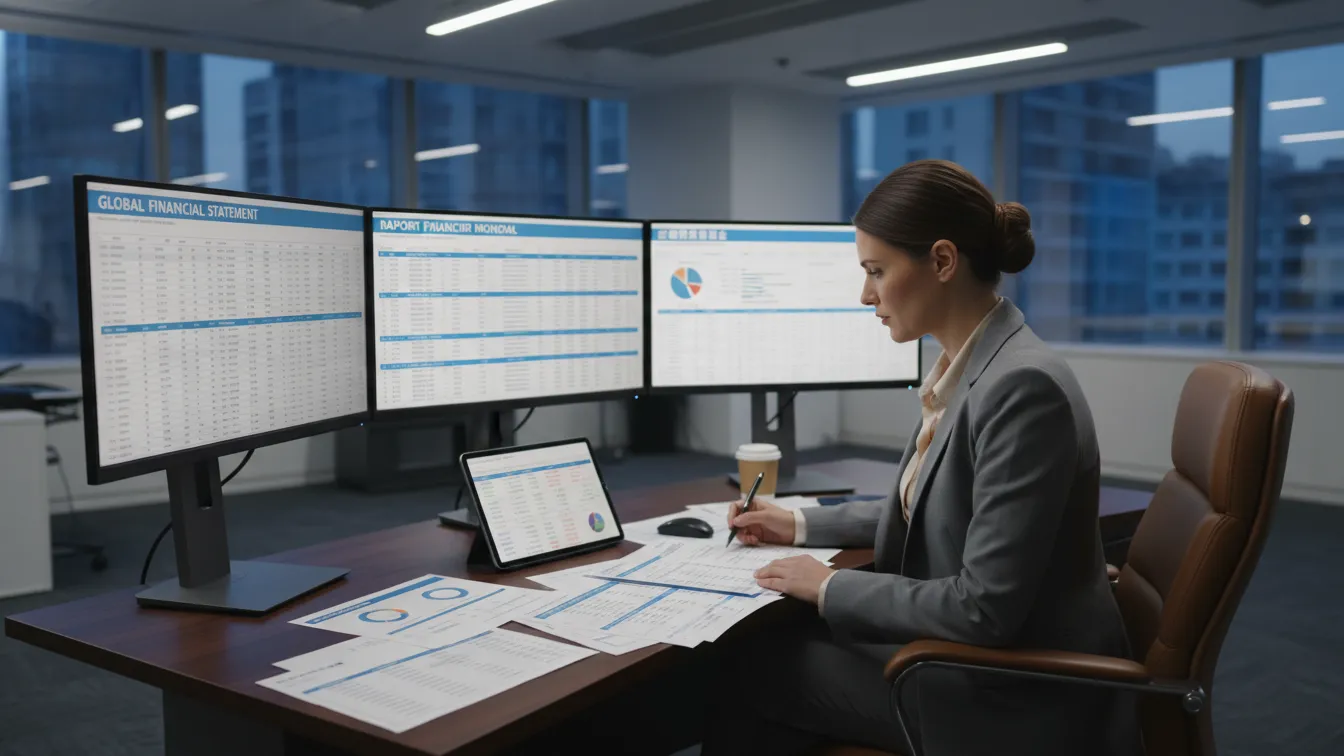
Have you received a letter from the Polish tax office (Urząd Skarbowy), are you preparing your annual tax return or confirming your tax residency status? Very often, together with PIT or CIT forms, you must submit documents issued abroad: income certificates, statements from a foreign tax office, decisions on pensions or social benefits. To be recognised in Poland, these documents usually require a sworn translation into Polish.
In this article, we explain which documents are most often translated for the tax office in Poland, when a sworn translation is required, how to prepare your paperwork properly, and what to avoid so that your case is not delayed. The information is useful for both private individuals and entrepreneurs.
Regular translation without a sworn translator's seal is usually not accepted.
QuoteBefore ordering, confirm with the recipient: sworn translation required, full document or excerpts, and how many copies are needed.
LEGIX team
When you need document translation for the tax office in Poland
The Polish tax office must be sure that it understands the content of a document in exactly the same way as the authority that issued it. This is why foreign documents that affect your taxes in Poland often require a sworn translation. These may include: income certificates from another country, confirmations of tax paid abroad, decisions on tax reliefs, documents confirming your tax residency status.
If you submit documents in Polish, issued by a Polish authority, no translation is needed. But if the certificate, return or decision was issued, for example, in Ukraine, Germany or another country, the tax office will usually require a sworn translation into Polish. For document translation for the tax office in Poland, it is best to check the requirements of your specific Urząd Skarbowy or work with a translation agency experienced in tax matters.
Individuals and entrepreneurs: what is different: Individuals most often translate income certificates, decisions on the award of pensions, and documents confirming socia
Which documents are most often translated for the tax office
For tax calculations in Poland, the following are usually translated: income certificates from a foreign tax office, confirmations of tax withheld abroad, decisions on pensions and social benefits, documents relating to income from rental, dividends or sale of property abroad. In some cases, contracts on the basis of which you received payments will also need to be translated.
For tax calculations in Poland, the following are usually translated: income certificates from a foreign tax office, confirmations of tax withheld abroad, decisions on pensions and social benefits, documents relating to income from rental, dividends or sale of property abroad. In some cases, contracts on the basis of which you received payments will also need to be translated.
Individuals and entrepreneurs: what is different: Individuals most often translate income certificates, decisions on the award of pensions, and documents confirming social benefits received abroad. Th
Translation requirements
Before ordering a translation, gather the full set: originals or certified copies of certificates, returns, decisions, and any letters from the tax office. The translation is made from the original or an official copy, and each page bears the seal and signature of the sworn translator.
Full translation of all pages with seals and signatures.
Data accuracy: names, dates and amounts must match.
Translator from the MS register for the required language pair.
Mistake 1: Submitting an ordinary translation without the sworn translator's seal to the tax office. Such a translation may be rejected and the tax case may be delayed. For official calculations the tax office prefers a sworn translation.
What if the translation is wrong?
Submitting an ordinary translation without the sworn translator's seal to the tax office. Such a translation may be rejected and the tax case may be delayed. For official calculations the tax office prefers a sworn translation.
Translating only some pages or the wrong documents. If a certificate or decision has an annex, it must be translated too. An incomplete translation may lead to additional requests.
Incorrect amounts, dates or currencies in the translation. In tax matters this is critical. Check the translation carefully and ask the translator if necessary.
Step-by-step guide
Step 1. Confirm document list and translation type.
Step 2. Prepare quality scans of all pages.
Step 3. Send scans to the bureau for a quote.
Step 4. Receive sworn translation with seal.
Step 5. Verify names, dates and amounts before submitting.
Cost, turnaround and pre-submission checklist
Cost depends on volume and language. Exact price after reviewing scans — see price list.
Standard turnaround 24–48 hours for typical documents.
Checklist: (1) sworn translation with MS register seal; (2) all pages translated; (3) names and dates match; (4) apostille if required; (5) recipient requirements confirmed.
FAQ
Sworn translation is most often required for foreign documents that affect tax calculations in Poland: income certificates, decisions on pensions and benefits, confirmations of tax paid abroad. Documents issued by Polish authorities in Polish do not need to be translated.